
Each year, from 9 to 15 October, Baby Loss Awareness Week brings people together around three central aims: remembrance, raising awareness and driving change. The week is coordinated by the Baby Loss Awareness Week Alliance, a coalition of more than 120 charities and organisations led by Sands.
For professionals whose roles bring them into contact with miscarriage, ectopic pregnancy, termination for medical reasons, stillbirth, neonatal death, or infant death, the week offers an opportunity to reflect on the care we offer and where it might be strengthened.
What do we bring into this work? What has shaped our understanding of pregnancy and baby loss? How have we been prepared and supported to care for families? And where might reflection or further learning be useful?
Reflecting on Professional Practice
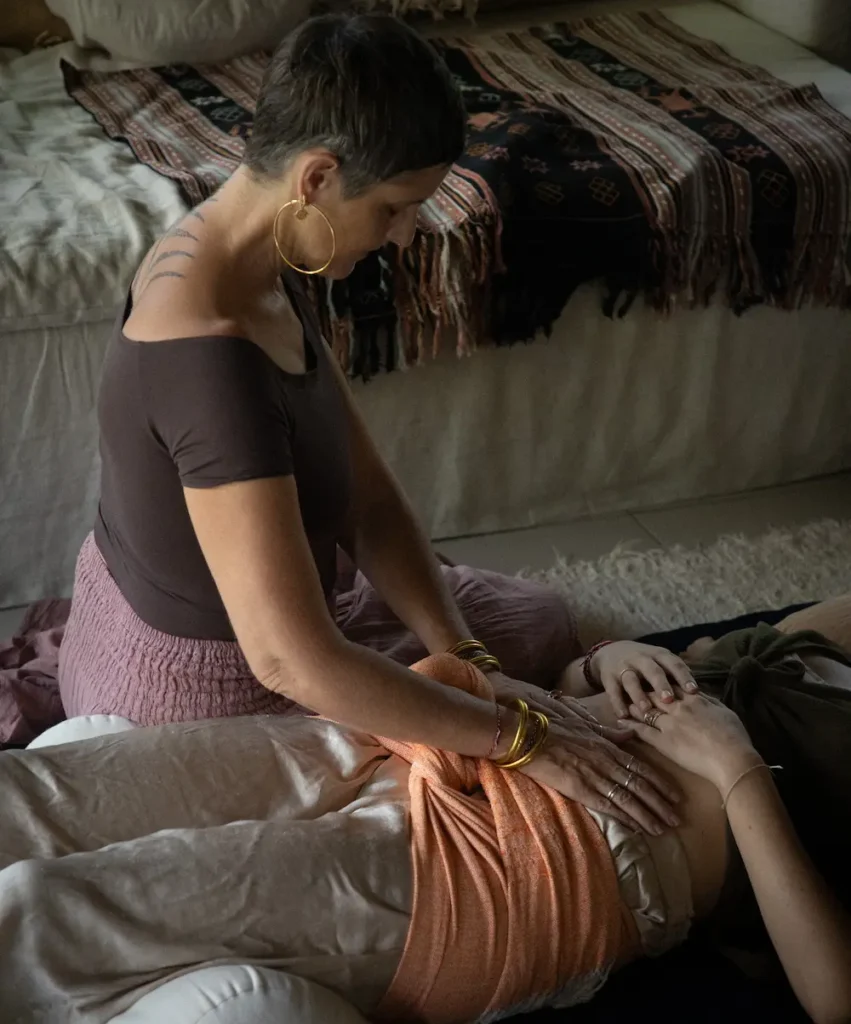
How professionals are prepared for and supported in caring for families following pregnancy and baby loss can vary across roles and settings. Professional education, access to guidance and resources, organisational support, and opportunities for ongoing learning can all form part of that preparation.
Baby Loss Awareness Week offers an opportunity to consider what preparation is currently available within our own professional settings. What guidance and support can we access? What opportunities are there to develop our knowledge and skills? And where might further learning or development be useful?
Also read: Why Bereaved Parents Stay Connected to Their Baby: Understanding Continuing Bonds Theory
Our Experiences and the Work We Do

Alongside our professional knowledge and experience, we each bring our own perspectives, personal experiences and beliefs to the work we do.
For some professionals, this may include having experienced pregnancy or baby loss themselves. The care and support they received, or did not receive, can be significant. For others, personal experience may be unrelated to pregnancy or baby loss, but may include other experiences of bereavement, grief, receiving support, or supporting someone close to them. Some professionals may have little or no personal experience of loss. These different starting points can all shape how we support others.
Our cultural, social and family backgrounds can also influence how we understand pregnancy, loss, grief, death, support and the ways people respond to difficult experiences. Alongside these influences, we develop our own opinions, beliefs, expectations and assumptions over time. These may impact the language we use, what we notice, what feels familiar or unfamiliar, and how we understand another person’s experience.
Taking time to reflect on these influences can be useful. Not because there’s a particular way we should think or respond, but because awareness of our own perspectives can help us to strengthen the support we offer to bereaved families.
Also read: Compassion Fatigue in Reproductive & Perinatal Loss: Recognising the Signs, Finding Support
What the Research Tells Us

Research suggests that professionals’ own experiences can form part of how they approach perinatal bereavement care. In a recent qualitative study in Malawi and Zimbabwe, healthcare workers described drawing on their own or family experiences of death and loss when supporting bereaved families. Some participants described that personal experiences of perinatal death had increased their confidence in understanding and responding to parents’ needs.
At the same time, research shows that caring for families following perinatal loss can itself have an emotional and professional impact on nurses, midwives and other healthcare workers. Studies have highlighted experiences including grief, uncertainty and emotional difficulty, alongside the importance of preparation, education, guidance and organisational support.
Taken together, this suggests that what we bring to the work and what we receive from our professional environment are both relevant. Personal experience may inform how a professional understands and responds to loss, but it is one part of a much wider picture that includes professional education, experience, support and opportunities to reflect and develop.
Also read: How We Can Strengthen Support for Families Experiencing Pregnancy Loss
Continuing Professional Development
An Introduction to Pregnancy Loss Support: For Professionals is a two-hour live online workshop for professionals whose work brings them into contact with pregnancy and baby loss.
We explore grief, communication, companioning, strengthening support, and sustaining ourselves in this work. There is also time for reflection and questions.
We’ll be joined by Angelina Ryall, whose son Danya was stillborn at 36 weeks. Angelina will share her experience of how professionals have supported her and her husband David during their loss journey.
No previous specialist experience is required.
Find out more and book your place here.
People Also Ask
What is baby loss awareness week?
Baby loss awareness week is an annual campaign observed from 9 to 15 October. It is coordinated in the UK by an alliance of over 120 charities led by Sands, and aims to raise awareness of pregnancy and baby loss, advocate for better bereavement care, and provide bereaved families with opportunities to share their experiences and access support.
The final day, 15 October, is International Pregnancy and Infant Loss Awareness Day, marked globally by the wave of light.
What types of loss does baby loss awareness week cover?
It covers a broad range of pregnancy and infant loss experiences, including miscarriage, ectopic pregnancy, termination for medical reasons, stillbirth, neonatal death, and sudden unexpected infant death.
The campaign recognises that loss can occur at any point during pregnancy or in the period following birth, and that each experience carries its own particular grief.
One of the aims of the week is to ensure that all forms of baby loss are acknowledged, including those that are most frequently minimised or overlooked.
How can practitioners get involved in baby loss awareness week?
Practitioners can use the week to raise awareness within their own organisations, signpost bereaved families to relevant support resources, and reflect on their own preparation and practice in perinatal bereavement care.
It is also an opportunity to consider what professional development might help build confidence and competence in this area.
What support is available for bereaved families during baby loss awareness week?
A range of organisations offer resources and support during this week, including Sands, Tommy’s, the Lullaby Trust, and many local and regional bereavement charities.
Support may include helplines, online communities, remembrance events, and signposting to specialist bereavement care. For practitioners looking to connect families with support, the Baby Loss Awareness Alliance website lists member organisations and available resources.
How can practitioners approach conversations about baby loss awareness week with bereaved families?
There’s no single way to approach these conversations. For some families, Baby Loss Awareness Week may be something they want to talk about or participate in. for others, it may not feel relevant to their experience or something they wish to discuss.
Practitioners can consider the individuals family’s circumstances, preferences and relationship with their loss when deciding whether and how to acknowledge the week. A simple, genuine acknowledgement may be appropriate in some situations, while in others it may be more helpful to offer information or resources without making the campaign itself the focus.
References
Chilinda, I., et. al. (2026). Healthcare worker’s views and experiences of factors impacting confidence to provide perinatal bereavement support: A qualitative study in Malawi and Zimbabwe. Global Health Action, 19(1). https://pmc.ncbi.nlm.nih.gov/articles/PMC13435273/#s0003
Gao, H., et. al. (2026). Nurses’ and midwives’ experiences of supporting parents following perinatal bereavement: A qualitative systematic review. International Journal of Nursing Studies Advances. doi: 10.1016/j.ijnsa.2026.100538
Garcia-Catena, C., et. al. (2023). Nurses’ and midwives’ perceptions and strategies to cope with perinatal death situations: A systematic literature review. Journal of Advanced Nursing, 79, 910–921. https://doi.org/10.1111/jan.15572
Qian, J., et. al. (2022). Effectiveness of the implementation of a perinatal bereavement care training programme on nurses and midwives: Protocol for a mixed-method study. BMJ Open, 12(8). doi: 10.1136/bmjopen-2021-059660
Ravaldi, C., et. al. (2018). Stillbirth and perinatal care: Are professionals trained to address parents’ needs?. Midwifery, 64, 53 – 59. doi: 10.1016/j.midw.2018.05.008
Sands. (2024). Resources for professionals supporting bereaved parents in England. https://www.sands.org.uk/about-sands/media-centre/news/2024/11/resources-professionals-supporting-bereaved-parents-england
The Lulaby Trust. (n.d.). Baby loss awareness week. https://www.lullabytrust.org.uk/about-us/our-campaigns/baby-loss-awareness-week/
